In the hospitality game, your tech isn’t just a background utility; it’s the very pulse of your operation. Getting your IT services for hospitality right means everything from the booking system to the guest Wi-Fi runs like a well-oiled machine, directly shaping your guest experience and, ultimately, your bottom line. Think of it less as a cost and more as a crucial investment in keeping guests happy and the business growing.
TL;DR
This guide breaks down the essential IT services every hospitality business needs for growth and guest satisfaction. We cover core system integrations like PMS and POS, the non-negotiable need for robust guest Wi-Fi, and critical cybersecurity measures to protect guest data and ensure compliance. Ultimately, we explore how partnering with a specialist IT provider transforms technology from a cost centre into a powerful tool for efficiency and revenue.
Why Modern Hospitality Runs on Technology
Technology has completely reshaped the hospitality industry. What used to be a single computer for bookings has morphed into a complex web of systems managing every tiny detail of the guest journey. For small and medium-sized businesses in a competitive market like Melbourne, getting your tech right isn’t just an advantage; it’s a matter of survival.
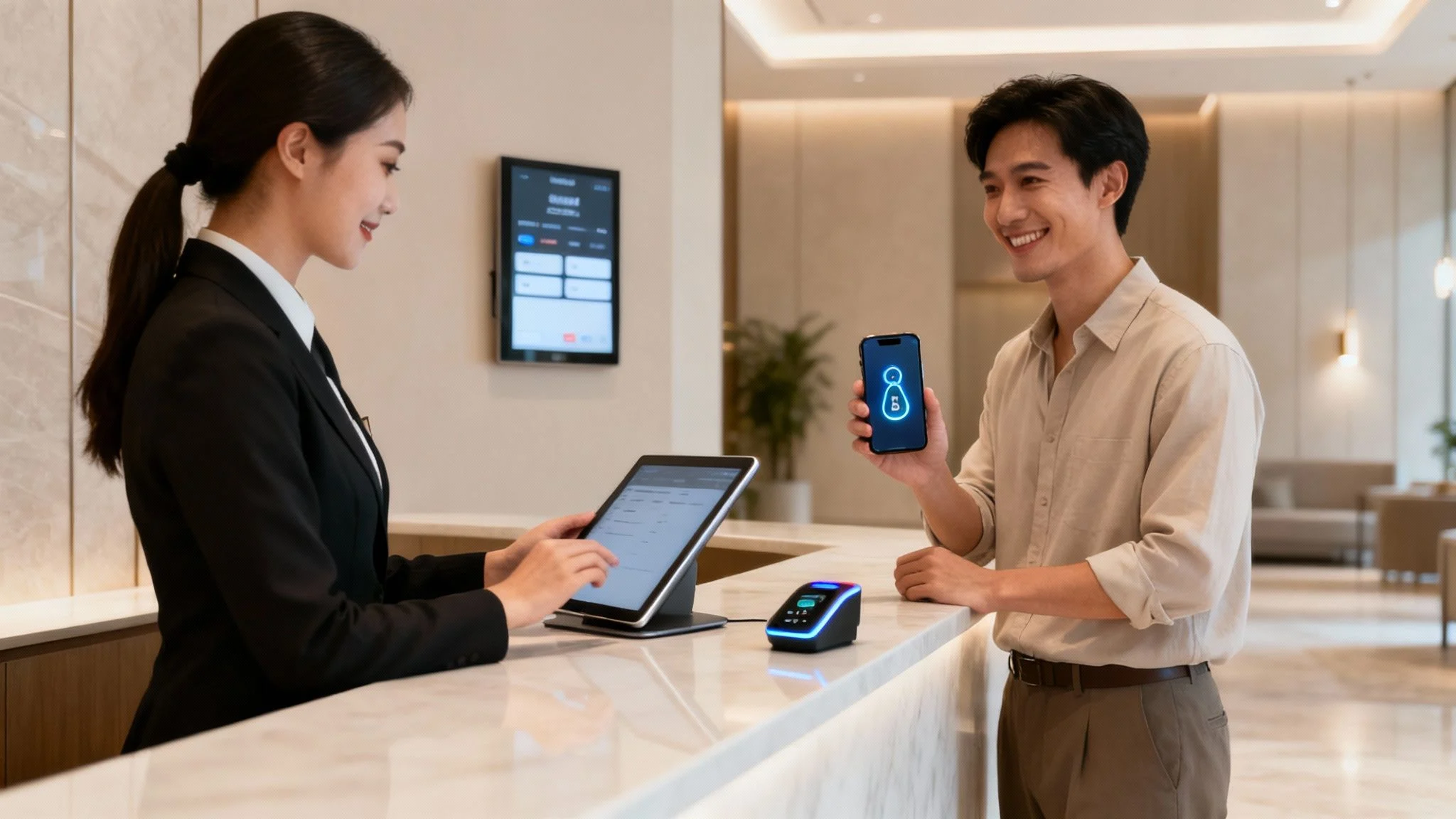
Today’s guests walk in the door with high expectations. They want fast, reliable Wi-Fi, the ability to check in with their phone, and personalised communication. A sluggish network or a clunky payment process can instantly ruin an otherwise perfect stay. This is where professional IT services for hospitality prove their worth.
The Core of Your Operation
At the heart of your venue are a few key systems that absolutely must work together flawlessly. These include:
- Guest Experience Platforms: These are the tools that handle everything from online bookings and digital keys to in-room ordering and gathering feedback after a stay.
- Operational Software: This covers your Point of Sale (POS) terminals in the restaurant, the kitchen order screens, and your staff rostering tools.
- Data Security: Protecting guest credit card details and personal information isn’t just good practice; it’s a legal and ethical must-do.
Without a solid IT foundation holding it all together, these different pieces of the puzzle can’t communicate. The result? Bottlenecks at the front desk, frustrated staff, and unhappy guests. A single point of failure, like your network going down during a busy dinner service, can cost you money in real-time.
Keeping up with what’s new is essential for staying competitive. Getting a handle on the latest hospitality technology trends helps you understand what today’s travellers and diners are looking for and ensures your business doesn’t get left behind.
The Foundational Technology Your Business Needs
To create a guest experience that people remember and rave about, you need a solid tech foundation humming away quietly in the background. This isn’t about flashy gadgets or gimmicks. It’s about the core systems working so smoothly that neither you nor your guests even notice they’re there. Getting these fundamentals right is the absolute first step to building an efficient and resilient hospitality business.
Think of your Property Management System (PMS) and Point of Sale (POS) system as the central nervous system of your entire operation. Your PMS is the command centre, handling everything from bookings and check-ins to room assignments and final billing. At the same time, your POS system is on the front line, managing every single transaction at the restaurant, bar, or gift shop.
When these two critical systems don’t talk to each other properly, it’s a recipe for chaos. Staff end up manually punching in data, jumping between screens, wasting precious time, and inevitably making costly mistakes. A seamless connection between them is vital for a smooth operational flow, from the moment a guest orders room service to when they settle their final bill.
Core Systems Integration
When your systems are properly integrated, data flows automatically and accurately right across the business. This isn’t just a convenience; it’s a game-changer. It lets you:
- Bill with total accuracy: Instantly post restaurant charges or spa treatments directly to a guest’s room folio without anyone lifting a finger.
- Understand your guests better: Track spending habits across different parts of your venue to offer personalised promotions or build a loyalty program that actually works.
- Boost staff efficiency: Free up your team from the soul-crushing task of double-entry, letting them focus on what really matters: looking after your guests.
This is all about creating a seamless digital experience, built on the bedrock of your core systems, robust Wi-Fi, and strong security.
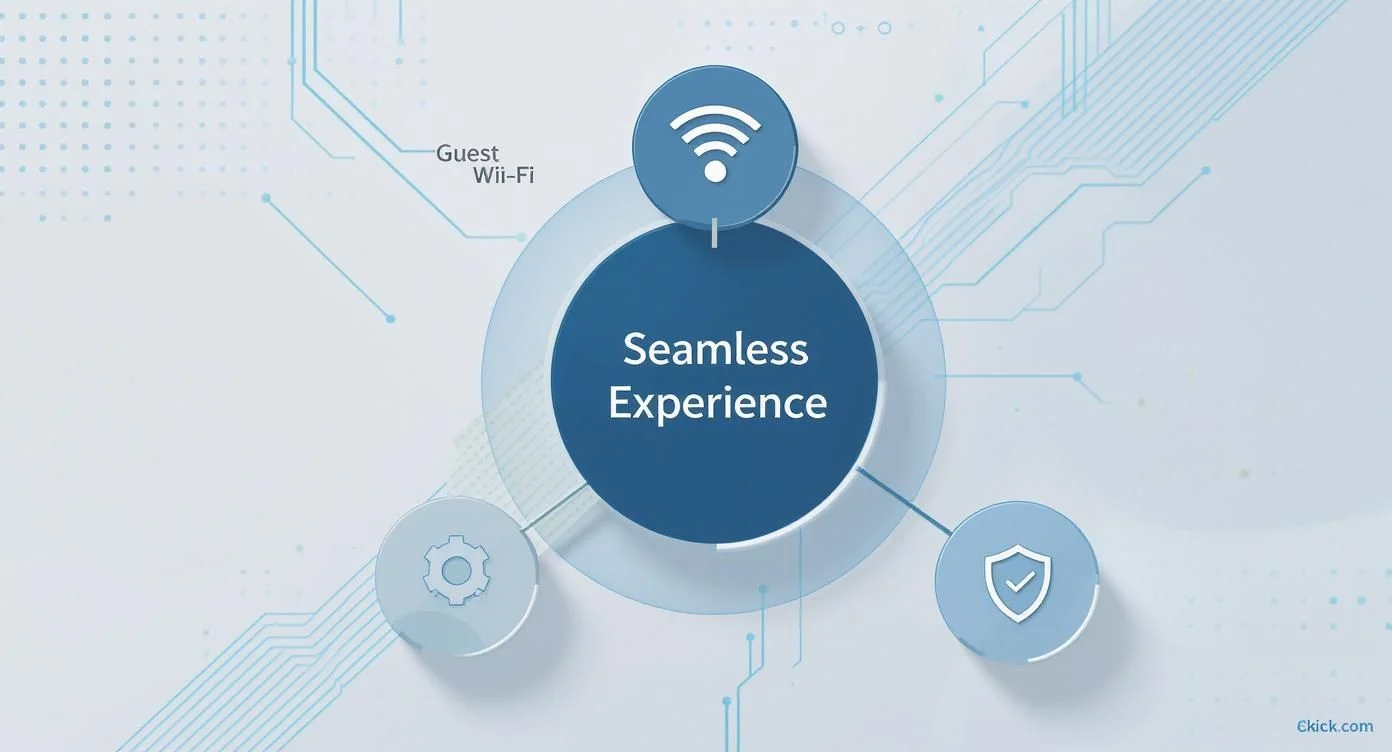
The main takeaway here is simple: all your tech needs to work together, pulling in the same direction to deliver an outstanding guest experience.
The growing importance of this software backbone is clear when you look at market trends. The hotel and hospitality management software market in Australia was valued at USD 99.5 million and is on track to hit USD 199.2 million by 2030. That huge growth is being driven by the obvious operational wins these systems deliver, especially as more and more bookings shift online.
Guest Wi-Fi and Network Infrastructure
Let’s be honest: in this day and age, great guest Wi-Fi is as non-negotiable as hot water and clean sheets. A dodgy connection is one of the quickest ways to earn a bad review. It’s not just for scrolling social media anymore; guests rely on it for video calls, streaming movies after a long day, and staying connected with work or family back home.
But amazing Wi-Fi doesn’t just happen. It’s only possible with a rock-solid network infrastructure supporting it. We’re talking about the physical gear: the routers, switches, and access points, all strategically placed to blanket your property with strong coverage, from the front lobby to the furthest corner room.
A well-designed network is what prevents those frustrating dead zones and slowdowns, even when you’ve got a full house and every single guest is online at once. This infrastructure also includes your internal communication tools; you can find some great advice in our guide to business internet connections. You can also find some great advice in our guide to choosing the right phone system for small business.
A professional IT partner will start with a proper site survey. They’ll map out your property’s unique layout, identify potential sources of interference (like thick walls or kitchen equipment), and design a network that guarantees reliable connectivity for every single guest. This proactive approach stops the frustration before it even starts.
Understanding Cloud Services
So what exactly are “cloud services”? In simple terms, instead of keeping big, expensive server hardware humming away in a back office, cloud services let you run your software and store your data in a highly secure, off-site data centre. Think of it as your digital headquarters, accessible from anywhere you have an internet connection.
This gives you incredible flexibility. A manager can check room availability from home, and you can pull up financial reports while you’re on the road. It also means you can stop worrying about maintaining, cooling, and eventually replacing that physical server hardware.
Best of all, cloud services scale with you. As your business grows, you can easily add more power or storage without a massive upfront investment in new equipment. It’s a cost-effective and powerful way for modern hospitality operators to stay agile and competitive.
Turning IT Investments into Revenue and Efficiency
Investing in technology can often feel like just another expense on an already long list. It’s easy to view it services for hospitality as a cost you have to wear, but that’s a common mistake. The right technology isn’t a drain on your resources; it’s a powerful engine built to drive revenue, boost efficiency, and directly improve your bottom line.
Think of it this way: you’re shifting from seeing IT as a reactive, fix-it service to a proactive strategy for growth. Instead of just calling someone to fix a broken printer, imagine using technology to understand guest behaviour, automate tedious jobs, and make data-driven decisions that actually put more money in the bank. That’s where a strategic approach to tech completely transforms your operations.
From Cost Centre to Profit Driver
Modern IT solutions are designed to do more than just keep the lights on. They actively work to uncover hidden revenue opportunities and streamline your daily workflow, saving you both time and money. When all your systems are talking to each other, the impact is felt right across the business.
Here’s how that works in the real world:
- Dynamic Pricing: Imagine your booking system automatically adjusting room rates based on real-time data like local events, flight arrivals, or even the weather. This ensures you’re always maximising revenue without someone having to watch it all day.
- Smarter Upselling: An integrated POS system could prompt your staff to offer a guest their favourite bottle of wine at dinner, based on what they ordered during a previous stay. It’s a personal touch that not only improves the guest experience but also increases their average spend.
- Fewer Costly Errors: When your booking platform, PMS, and POS are all seamlessly connected, the risk of manual data entry errors plummets. This stops costly mistakes like incorrect billing or overbooking, which can hurt your finances and your reputation.
Strategic IT is about making every part of your operation work harder for you. It turns background processes into active contributors to your success, freeing up your team to focus on creating unforgettable guest experiences rather than fighting with clunky software.
The Power of Data and Automation
One of the biggest wins from modern IT is the ability to automate repetitive tasks and actually use the data your business is already collecting. Automation gets rid of hours of manual work, freeing up your most valuable asset, your staff, to focus on high-value, guest-facing interactions. It’s a direct path to running a much tighter ship.
For instance, an automated system can handle inventory management, pinging you when stock is low and even reordering supplies based on rules you’ve set. This cuts down on waste and makes sure you never run out of critical items during a busy service. This same idea applies to your phones and messages, where a well-designed system can bring all your calls and emails into one place. For a deeper dive, check out our insights in this unified communications guide.
At the same time, the data collected by your systems gives you invaluable insights. You can finally see your busiest periods, most profitable services, and most loyal customers. This information lets you make smarter decisions about everything from staffing levels to marketing campaigns, making sure your resources are always put to the best possible use.
Boosting Revenue and Slashing Costs
The real-world results of these tech upgrades are huge. Australian hotels that have adopted cloud-based forecasting and automation tools have seen some seriously impressive commercial benefits. AI-powered platforms have helped hotels across the country increase revenue by up to 30% while simultaneously reducing operational costs by about 25%.
In major cities like Melbourne, where occupancy rates often push past 70%, these technologies are crucial for optimising pricing and accurately forecasting demand. You can explore more about these findings on hotel forecasting technology trends and their impact.
This all goes to show that investing in the right it services for hospitality isn’t just about keeping up; it’s about getting ahead. By turning data into decisions and automation into efficiency, you create a more profitable, resilient business that’s ready to thrive in a competitive market.
Protecting Your Guests and Your Business with Cybersecurity
In the hospitality game, trust is everything. Guests hand over their personal and financial details, trusting you’ll keep them safe. This isn’t just about good service; it’s a core promise that your entire reputation is built on. A single data breach can shatter that trust instantly, leading to financial pain and a damaged name that’s hard to fix.
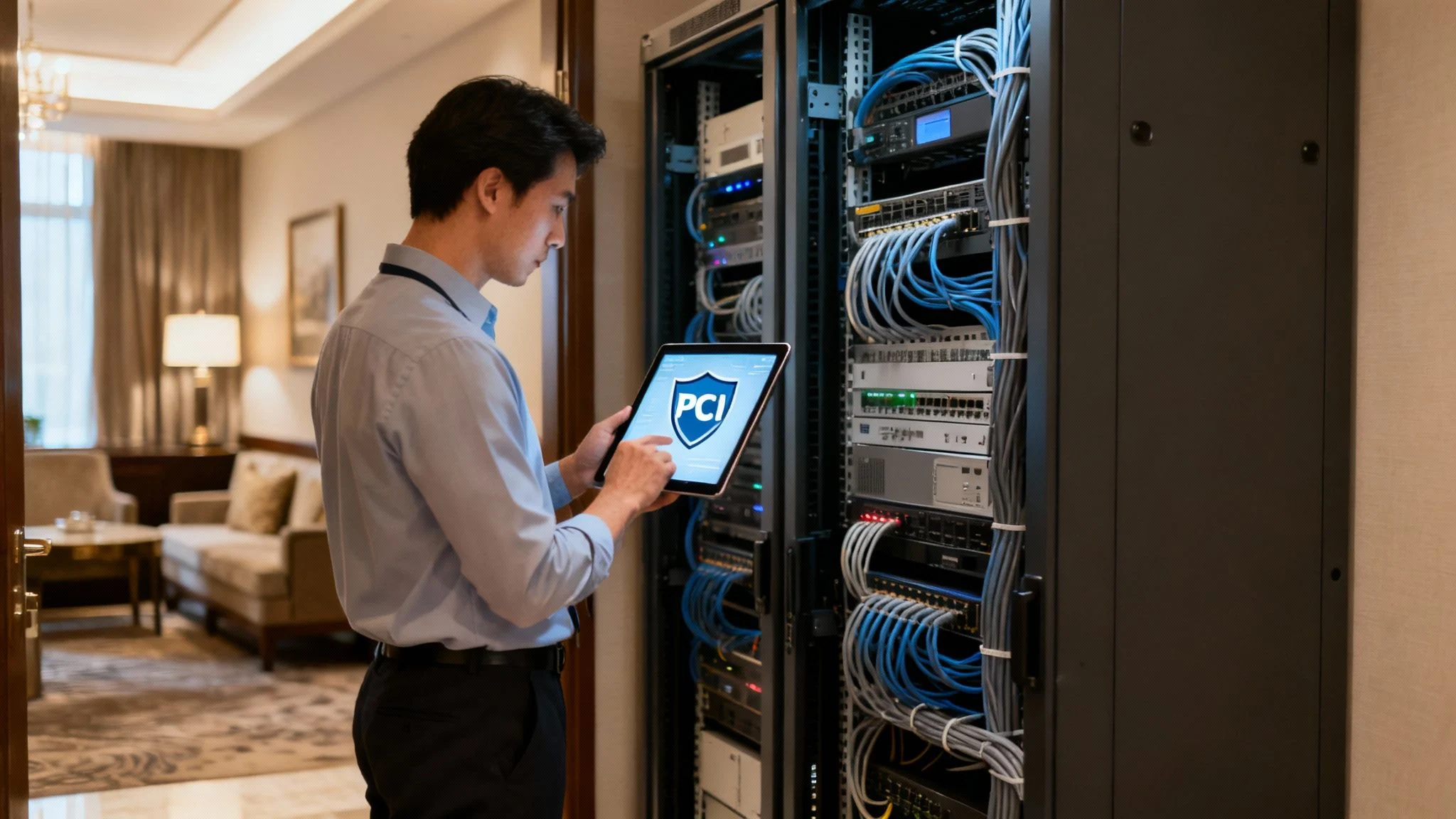
This is why cybersecurity isn’t an optional extra; it’s the digital fortress you build around your business. It’s about protecting your guests, your reputation, and your future.
Understanding Your Compliance Obligations
If you’re a hospitality business in Australia taking credit card payments, there are rules you simply have to follow. Ignoring them isn’t an option and can land you in serious hot water.
First up is the Payment Card Industry Data Security Standard (PCI DSS). This is the global rulebook for any business that handles cardholder data. Get this wrong, and you could be looking at hefty fines, higher transaction fees, or even having your ability to accept card payments revoked.
Then there’s Australia’s own Privacy Act. This law dictates how you must protect the personal information you collect: names, addresses, phone numbers, the lot. A breach can force you to notify affected guests and regulators, and the financial penalties can be crippling.
Think of compliance as the minimum safety standard for your digital operations. It provides a clear framework for protecting data, reducing your risk of a breach, and demonstrating to your guests that you take their privacy seriously.
Common Threats Targeting Hospitality
Cybercriminals love the hospitality industry. Why? Because it’s a goldmine of valuable data. Their tactics are often brutally simple, preying on busy staff and overlooked system weaknesses to get what they want.
Here are the big three threats you need to watch out for:
- Phishing Emails: These are fake emails that look incredibly real, designed to trick your team into giving up passwords or clicking on malicious links. One wrong click can open the door to your entire network.
- Ransomware: This nasty software locks up all your files, your booking system, guest records, and financial data, and demands a huge payment to get them back. It can bring your business to a complete standstill.
- POS Malware: This is malicious code written specifically to infect your Point of Sale terminals and steal credit card details right at the moment of payment.
Building a Strong Digital Defence
You can’t rely on a single tool to keep you safe. A solid defence is built in layers, with different tools and practices working together. To get this right, understanding and implementing managed network security solutions is a crucial first step.
Here are the key measures every hospitality business should have in place:
- Managed Firewalls: This is your network’s digital bouncer. It stands at the front door, checking all incoming and outgoing traffic and blocking anything suspicious before it can cause trouble.
- Endpoint Protection: Think of this as advanced antivirus for every device you own. It protects your front desk computers, POS terminals, and back-office machines from malware.
- Regular Data Backups: This is your ultimate safety net. Creating secure, separate copies of your critical data means that if you’re hit by ransomware, you can restore your systems without paying a cent to the criminals.
- Staff Training: Your team is your first line of defence. Teaching them how to spot phishing scams and follow security best practices is one of the smartest investments you can make. For a great government-backed framework, the ACSC Essential 8 provides a fantastic starting point for Australian businesses.
Choosing the Right IT Partner for Your Hospitality Business
Picking an IT provider is one of the biggest decisions you’ll make for your hospitality business. This isn’t just about hiring someone to fix a broken printer. It’s about finding a genuine technology partner who gets the unique rhythm and relentless pace of your hotel or restaurant.
A generic IT company might not understand why a POS system crashing during Saturday dinner service is a code-red emergency. A partner with real-world hospitality experience knows this in their bones. They get the urgency and are ready to handle the specific software and operational pressures you face every single day.
The Australian IT services market is a huge part of what keeps the hospitality sector running, valued at USD 32.26 billion and predicted to shoot up to USD 77.77 billion by 2030. This boom shows just how much hotels and restaurants now rely on digital operations, making your choice of a skilled partner more critical than ever.
Key Questions to Ask a Potential IT Partner
To find a provider who truly aligns with your business, you need to ask the right questions. Their answers will tell you everything you need to know about whether they’re just another vendor or a long-term strategic partner who can actually support your growth.
Here’s a practical checklist to guide your conversations:
- Do you have proven experience with hospitality businesses like mine? Ask for real case studies or references from other local hotels or restaurants.
- How do you handle after-hours emergencies? Hospitality is a 24/7 game. Your IT support needs to be, too.
- Are you experts in PCI DSS compliance? Protecting guest payment data is non-negotiable. Your partner must have deep, practical knowledge here.
- Do you offer proactive 24/7 system monitoring? The best IT service stops problems before they ever have a chance to disrupt your operations.
- Can you provide fast on-site support when a remote fix isn’t enough? For urgent, hands-on issues, having a local Melbourne presence is a game-changer.
Choosing the right partner means finding a team that is as invested in your guests’ seamless experience as you are. They should be focused on providing solutions that enhance your operations, not just reacting to problems as they arise.
Finding a Partner for Today and Tomorrow
Your IT needs are going to change as your business grows. A great IT partner won’t just solve today’s headaches; they’ll help you plan for what’s next. They should act more like a consultant, offering solid advice on new technologies that can improve efficiency, boost revenue, and make your guests happier.
Look for a provider that offers solutions that can scale. This ensures that as you expand, your technology can grow right alongside you without needing a complete and costly overhaul. Their job is to give you the confidence to focus on running your business, knowing your tech is in expert hands. For more details on what this looks like, explore our overview of what a great managed IT services provider can do for you.
How Tbourke Solutions Can Help
Running a hospitality business is a relentless juggling act, and wrestling with your IT is the last thing you need. At Tbourke Solutions, we don’t just “do IT”; we live and breathe IT services for hospitality businesses right here in Melbourne. We understand the unique pressures you’re under because we’ve spent years supporting venues just like yours. Our job is to deliver real, lasting solutions, not just quick fixes.
We offer a complete suite of services designed for the fast-paced world of hotels, restaurants, and cafes. This includes everything from integrating your complex Property Management Systems (PMS) and Point of Sale (POS) platforms to rolling out guest Wi-Fi that won’t buckle on a busy Saturday night. Our cybersecurity isn’t an afterthought; it’s built to guard your guest data and keep you compliant with standards like PCI DSS.
Proactive Support That’s Always On
Our philosophy is built on being proactive, not reactive. The best IT support is the kind you barely notice because we’ve already fixed the problem before it could disrupt a guest’s check-in or crash your POS mid-service. We don’t wait for your call; we actively monitor your critical systems 24/7.
This constant vigilance allows us to spot and resolve potential issues in the background, preventing frustrating slowdowns and outages that cost you money and reputation. Our proactive options include:
- 24/7 Network Monitoring: We watch your network’s health to guarantee performance and uptime.
- Automated Security Patching: We keep your software and systems updated to shield you from the latest threats.
- Managed Data Backups: Your crucial business data is always backed up securely, giving you a safety net against accidental loss or a ransomware attack.
We handle the technology so you can focus on what you do best: creating incredible experiences for your guests. Think of us as an extension of your team, a trusted local partner dedicated to helping your business thrive.
Ready to see how the right IT partner can make a genuine difference? Let’s have a chat about what your business needs. You can submit a query on our contact page for a personalised assessment to get started.
Frequently Asked Questions
Here’s a look at some of the most common questions we hear from Melbourne’s pub, restaurant, and hotel operators. These are the real-world queries that come up when you’re trying to make smart tech decisions for your business.
Why do we need a specialist IT company for our hotel or restaurant?
Generic IT support often doesn’t understand the unique rhythm of hospitality. Your business runs on specific software like Property Management Systems (PMS) and Point of Sale (POS) systems that need to integrate flawlessly. A specialist knows how to troubleshoot these systems. More importantly, when your payment system fails on a packed Saturday night, you need a partner who understands it’s a full-blown emergency, not a ticket for Monday morning. A hospitality IT specialist is built for 24/7 realities and knows the ins and outs of critical compliance like PCI DSS.
What’s the single biggest IT security risk for a small hotel?
For most small-to-medium hotels, the most immediate threat is a data breach from a phishing email or a ransomware attack. Cybercriminals target hospitality businesses because you handle a massive amount of personal and payment data. A single successful attack can lock you out of your booking system, bring operations to a standstill, and inflict serious financial and reputational harm. The most common weak spots are staff who haven’t been trained to spot scams, gaps in network security, and unreliable data backups.
How can the cloud actually help our business?
Moving to the cloud offers huge advantages in flexibility, security, and cost. Imagine your manager being able to check bookings from home rather than being tied to the front desk. That’s what a cloud-based PMS gives you. This shift also means you can remove expensive, power-hungry servers from your back office, cutting down on hardware and maintenance costs. The cloud lets you scale your tech capacity during peak season and scale back during quieter times, all while benefiting from enterprise-level security and automated backups offered by reputable providers.
At Tbourke Solutions, we live and breathe hospitality IT. We work with Melbourne businesses like yours every single day, so we know exactly what it takes to keep your essential systems running smoothly. We handle the proactive monitoring, robust cybersecurity, and expert support so you can focus on what you do best: looking after your guests.
Ready to build a more resilient and efficient operation? Reach out and submit a query on our contact page for a no-obligation chat.
Share This Story, Choose Your Platform!